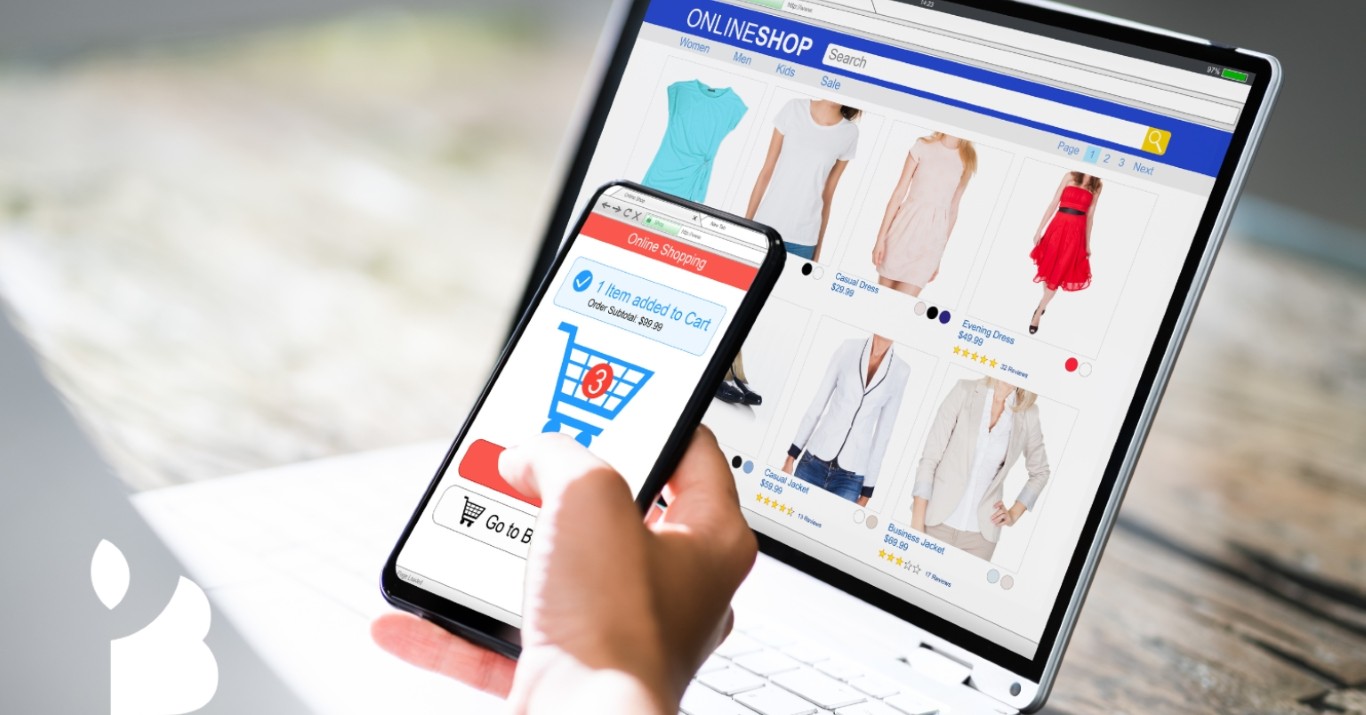
The Power of Social Media Marketing for Ecommerce
In today’s digital age, social media marketing has become an indispensable tool for ecommerce businesses. With its vast reach and ability to connect with potential customers, social media has transformed the way businesses promote and sell their products. Let’s explore how harnessing the power of social media can lead to ecommerce success and why a social media marketing campaign is crucial for your business.
Harnessing Social Media for Ecommerce Success
Social media platforms provide a unique opportunity to connect directly with your target audience and build brand awareness. By utilizing engaging content and strategic marketing techniques, you can effectively showcase your products and attract potential customers.
With social media, you can humanize your brand and create a sense of connection with your audience. By sharing behind-the-scenes stories, user-generated content, and customer testimonials, you can foster trust and loyalty among your followers.
Moreover, social media allows you to leverage user-generated content to showcase your products in an authentic and relatable way. Encouraging customers to share their experiences and reviews can generate valuable social proof, influencing potential buyers to make a purchase.
Why a Social Media Marketing Campaign Matters
A social media marketing campaign plays a pivotal role in driving ecommerce sales and achieving your business goals. It provides a structured approach to effectively reach and engage your target audience. Here are some key reasons why a social media marketing campaign matters:
1. Increased brand visibility: A well-executed campaign can significantly expand the reach of your brand. By consistently posting engaging content and utilizing relevant hashtags, you can increase your visibility on social media platforms and attract a larger audience.
2. Enhanced customer engagement: Social media platforms provide a direct line of communication with your customers. Through a marketing campaign, you can encourage interactions, respond to inquiries, and build meaningful relationships with your audience. This engagement fosters loyalty and encourages repeat purchases.
3. Targeted advertising: Social media platforms offer advanced targeting options that allow you to reach your ideal customers. With features like demographic targeting, interest-based targeting, and lookalike audiences, you can ensure that your campaign is seen by the right people at the right time.
4. Data-driven decision making: A social media marketing campaign provides valuable data and insights that allow you to make informed decisions. By tracking key performance indicators (KPIs) such as reach, engagement, and conversions, you can optimize your campaign for better results.
By implementing a well-planned and targeted social media marketing campaign, you can boost your ecommerce sales and take your business to new heights. Stay tuned as we delve into the process of crafting an effective social media marketing campaign, including defining goals, identifying target audiences, and choosing the right platforms.
Crafting an Effective Social Media Marketing Campaign
To boost your ecommerce sales through social media, it’s essential to create an effective social media marketing campaign. This involves carefully crafting your goals and objectives, identifying your target audience, and selecting the right social media platforms to reach your target market.
Defining Your Goals and Objectives
Before diving into your social media marketing campaign, it’s crucial to define your goals and objectives. What do you hope to achieve through your social media efforts? Are you aiming to increase brand awareness, drive website traffic, generate leads, or boost conversions?
By clearly defining your goals, you can align your social media strategy to meet those objectives. For example, if your goal is to drive website traffic, your campaign may focus on sharing compelling content with a call-to-action that leads users to visit your website. On the other hand, if your objective is to increase brand awareness, your campaign may incorporate tactics such as brand storytelling, influencer collaborations, or user-generated content.
Identifying Your Target Audience
Understanding your target audience is vital for creating a successful social media marketing campaign. Who are your ideal customers? What demographics do they belong to, and what are their interests, behaviors, and pain points?
By conducting thorough market research, analyzing customer data, and utilizing social media analytics tools, you can gain valuable insights into your target audience. This information will help you tailor your content, messaging, and advertising strategies to resonate with your target market.
Choosing the Right Social Media Platforms
Not all social media platforms are created equal, and it’s crucial to choose the ones that align with your target audience and campaign goals. Each platform attracts a different demographic and offers unique features and advertising options. Here are a few popular social media platforms and their key characteristics:
| Social Media Platform | Key Characteristics |
|---|---|
| Largest social media platform with a diverse user base. Suitable for various campaign objectives and offers detailed audience targeting options. | |
| Visual platform ideal for showcasing products and lifestyle content. Popular among younger audiences and influencers. Offers shoppable posts and sponsored content options. | |
| Fast-paced platform for real-time updates, news, and engaging with your audience. Effective for customer service and brand personality. | |
| Visual discovery platform where users can find and save ideas. Ideal for ecommerce businesses with visually appealing products or services. | |
| Professional networking platform with a focus on business-related content. Suitable for B2B ecommerce and targeting professionals in specific industries. | |
| YouTube | Video-sharing platform with a massive user base. Ideal for product demos, tutorials, and brand storytelling through video content. |
Choosing the right social media platforms will depend on your target audience’s preferences and behavior. It’s important to research and analyze which platforms they are most active on and tailor your campaign accordingly.
Crafting an effective social media marketing campaign involves careful planning and strategizing. By defining your goals and objectives, identifying your target audience, and selecting the right social media platforms, you can create a campaign that resonates with your audience and drives ecommerce success.
Elements of a Successful Social Media Marketing Campaign
When it comes to social media marketing campaigns, certain elements are essential for success. In this section, we will explore three key components: compelling visual content, engaging captions and copywriting, and strategic hashtag use.
Compelling Visual Content
Visual content plays a pivotal role in capturing the attention of your audience and conveying your brand message effectively. High-quality images, videos, and graphics can make a significant impact on your social media marketing campaign.
To create compelling visual content, consider the following tips:
- Consistency: Maintain a consistent visual theme and style across your social media platforms to enhance brand recognition.
- Professional Photography: Invest in professional product photography or use high-resolution images to showcase your products or services.
- Videos: Incorporate engaging videos that demonstrate your products or tell captivating stories related to your brand.
- Infographics: Utilize infographics to present complex information in a visually appealing and easily digestible format.
- User-Generated Content: Encourage your customers to share their experiences with your products and repost their content, adding authenticity to your brand.
Remember, the goal is to create visually appealing content that resonates with your target audience and encourages them to take action.
Engaging Captions and Copywriting
While visual content is essential, the accompanying captions and copywriting provide an opportunity to engage with your audience on a deeper level. Well-crafted captions can amplify the impact of your visual content and compel your audience to take action.
Consider the following tips for creating engaging captions and copywriting:
- Know Your Audience: Tailor your captions and messaging to resonate with your target audience, speaking directly to their needs, desires, and pain points.
- Tell a Story: Use storytelling techniques to create an emotional connection with your audience and make your brand relatable.
- Call to Action: Encourage your audience to take specific actions, such as visiting your website, making a purchase, or sharing your content with their network.
- Incorporate Emojis and Emoticons: Use emojis and emoticons strategically to add personality and enhance the overall tone of your captions.
- Ask Questions: Prompt your audience to engage by asking questions that spark conversation and encourage them to share their thoughts.
Crafting compelling captions and copywriting requires a deep understanding of your brand, target audience, and the social media platform you are utilizing.
Strategic Hashtag Use
Hashtags are an essential tool for increasing the visibility of your social media content and reaching a wider audience. Properly using hashtags can make your content discoverable by users who are interested in the topics or themes you are addressing.
To optimize your hashtag strategy, consider the following tips:
- Research Relevant Hashtags: Find popular and relevant hashtags related to your industry, target audience, and specific campaign objectives.
- Mix Popular and Niche Hashtags: Use a combination of popular hashtags with a high volume of posts and niche hashtags that cater to a more specific audience.
- Create Branded Hashtags: Develop unique hashtags that are specific to your brand or campaign, encouraging your audience to engage with your content and share it using the same hashtags.
- Hashtags for Campaigns: Create campaign-specific hashtags to track engagement and measure the success of your social media marketing efforts.
Keep in mind that different social media platforms have varying hashtag usage guidelines and best practices. Research the platform-specific hashtag trends and guidelines to maximize the effectiveness of your hashtag strategy.
By incorporating compelling visual content, engaging captions and copywriting, and strategic hashtag use, your social media marketing campaign will have a solid foundation for success. Remember to monitor your campaign’s performance, analyze the data, and make data-driven adjustments to optimize your results.
Leveraging Social Media Features for Ecommerce Sales
To boost your ecommerce sales through social media, it’s essential to leverage the various features and functionalities offered by popular platforms. Here are three key strategies for maximizing your social media marketing campaign:
Utilizing Shoppable Posts and Product Tags
One powerful feature provided by social media platforms is the ability to create shoppable posts and use product tags. These features enable you to showcase your products directly within your social media content and provide a seamless shopping experience for your audience.
By tagging products in your posts, you can make it easy for users to explore and purchase items directly from their social media feeds. This eliminates the need for them to navigate away from the platform to your website, simplifying the buying process and increasing the likelihood of conversions.
When creating shoppable posts, make sure to include high-quality images, compelling product descriptions, and a clear call-to-action. By providing all the necessary information and a smooth purchasing experience, you can effectively drive sales through social media. To learn more about social media marketing strategies, check out our article on social media marketing strategy.
Running Social Media Contests and Giveaways
Another effective way to generate buzz and drive ecommerce sales is by running social media contests and giveaways. These campaigns can help increase your brand visibility, engage your audience, and incentivize them to make a purchase.
Contests and giveaways can take various forms, such as asking users to like, comment, or share your posts, or encouraging them to submit user-generated content related to your brand. By offering enticing prizes or exclusive discounts, you can create excitement and encourage participation.
When planning your contest or giveaway, set clear objectives, establish guidelines, and promote it across your social media platforms. This will attract participants and generate user-generated content that you can leverage to further promote your brand. For more tips on running successful social media campaigns, check out our article on social media marketing tips.
Collaborating with Influencers and Brand Ambassadors
Influencer marketing has become a powerful tool for ecommerce businesses. Partnering with influencers and brand ambassadors who have a strong following and align with your target audience can significantly boost your brand visibility and drive sales.
When selecting influencers to collaborate with, consider factors such as their niche, engagement rate, and authenticity. Look for influencers whose values align with your brand and whose audience matches your target market. This ensures that your message reaches the right people and resonates with them.
Influencers can promote your products through various forms of content, such as sponsored posts, product reviews, or tutorials. Their endorsement and recommendations can build trust and credibility, motivating their followers to make a purchase. Remember to disclose any sponsored content in compliance with the platform’s guidelines and regulations.
By effectively utilizing shoppable posts, running engaging contests and giveaways, and collaborating with influencers, you can leverage the full potential of social media to drive ecommerce sales. These strategies, combined with a solid social media marketing campaign, can help you reach your target audience, increase brand awareness, and ultimately boost your revenue. Learn more about social media marketing by visiting our article on social media marketing agency.
Measuring and Optimizing Your Social Media Campaign
Once you have implemented your social media marketing campaign, it is essential to measure its effectiveness and make data-driven adjustments to optimize your results. By tracking key performance indicators (KPIs), analyzing data and insights, and making data-driven adjustments, you can continuously improve your social media campaign’s performance.
Tracking Key Performance Indicators (KPIs)
To evaluate the success of your social media campaign, it is important to track relevant key performance indicators (KPIs). These KPIs provide valuable insights into the performance and impact of your campaign. Some common KPIs to consider for your social media campaign include:
| KPI | Description |
|---|---|
| Reach | The number of people who have seen your content |
| Engagement | The level of interaction (likes, comments, shares) your content receives |
| Click-through Rate (CTR) | The percentage of people who click on a link in your content |
| Conversion Rate | The percentage of people who take a desired action (e.g., make a purchase) after seeing your content |
| Return on Investment (ROI) | The financial return on your social media marketing investment |
Tracking these KPIs allows you to gauge the effectiveness of your campaign and identify areas for improvement. By regularly monitoring these metrics, you can make informed decisions to optimize your social media marketing strategy. For more information on social media marketing strategies, visit our article on social media marketing strategy.
Analyzing Data and Insights
Analyzing data and insights is a crucial step in understanding the performance of your social media campaign. Social media platforms provide valuable analytics tools that offer detailed data and insights about your audience, content performance, and engagement levels.
By analyzing this data, you can gain valuable insights into your target audience’s preferences, content that resonates with them, and the best times to post. This information allows you to refine your content strategy and create more engaging and relevant content that drives desired actions.
Making Data-Driven Adjustments
Based on the insights gained from tracking KPIs and analyzing data, you can make data-driven adjustments to optimize your social media campaign. These adjustments may include:
- Refining your content strategy: Tailor your content to align with the preferences and interests of your target audience. Experiment with different types of content, such as images, videos, or infographics, to determine which resonates best with your audience.
- Adjusting posting frequency and timing: Use data insights to identify the optimal times to post your content when your target audience is most active. Experiment with different posting frequencies to find the right balance.
- Optimizing targeting: Refine your target audience criteria based on data insights. Narrowing down your audience can help you reach the most relevant users who are more likely to engage and convert.
- Testing and iterating: Implement A/B testing to compare different variations of your content, such as different headlines, visuals, or calls to action. Analyze the results to identify the most effective elements and refine your campaign accordingly.
By continuously monitoring your campaign’s performance and making data-driven adjustments, you can optimize your social media marketing efforts to drive better results and boost your ecommerce sales.
Remember, social media marketing is an ongoing process. Regularly reassess your goals, adapt your strategies, and stay up to date with the latest trends and best practices in the industry. By doing so, you can continually improve your social media campaign and achieve long-term success.