In today’s rapidly changing digital landscape, utilizing paid social media advertising has become essential for businesses looking to reach their target audiences and remain competitive. A paid social agency specializes in creating and managing social media advertising campaigns, leveraging platforms like Facebook, Instagram, and LinkedIn to help businesses achieve their marketing objectives.
By working with a paid social agency, businesses can benefit from expert knowledge and experience in targeting the right audience, crafting engaging content, and analyzing campaign success. These agencies keep up-to-date with the latest trends, platform updates, and best practices, ensuring that their clients’ social media campaigns are optimally designed for maximum reach and effectiveness. In addition, their in-depth understanding of advertising policies and guidelines enables them to navigate the ever-evolving realm of social media advertising with ease.
Partnering with a reputable paid social agency allows businesses to invest in their growth strategically and efficiently. As social media platforms continually evolve their advertising offerings, staying informed and creating effective ad campaigns can be challenging for businesses to manage on their own. With an agency’s expertise, businesses are better equipped to harness the power of paid social, expand their brand awareness, and ultimately achieve their marketing goals.
Understanding Paid Social
Defining Paid Social Ads
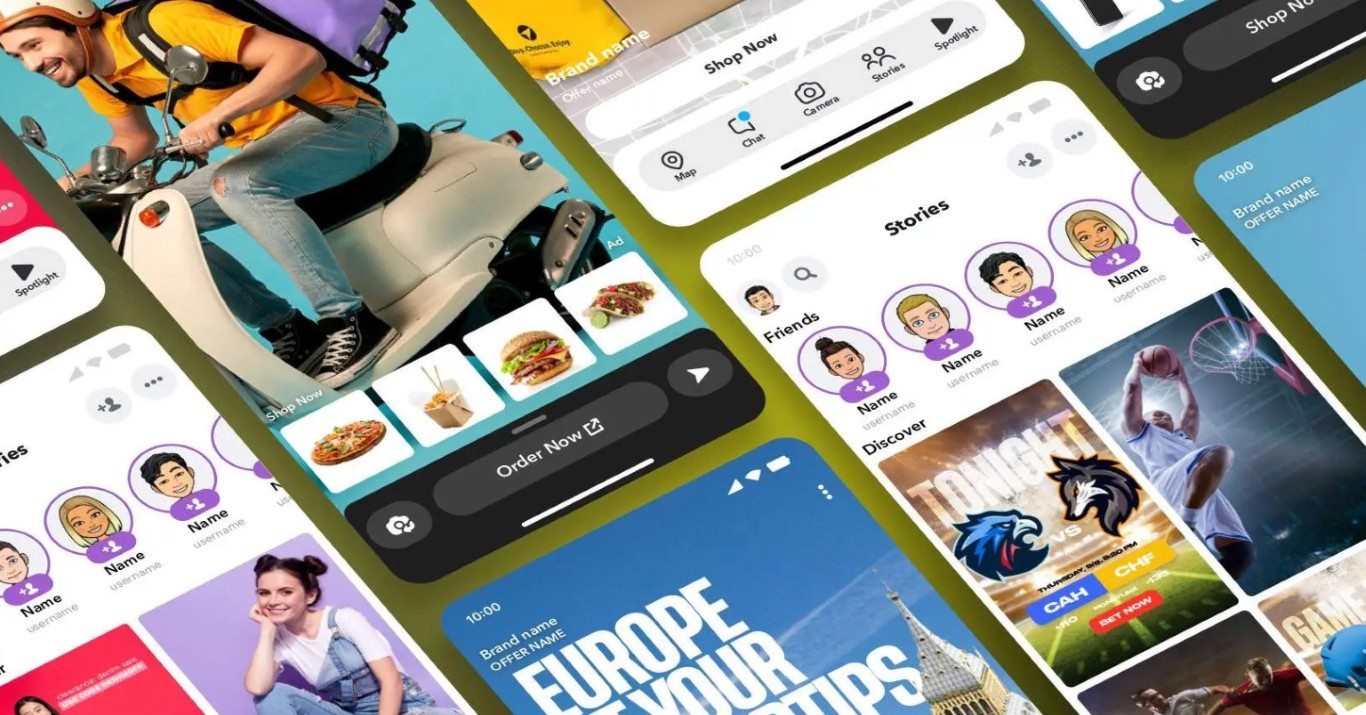
Paid social ads are a type of advertising that utilizes social media platforms, such as Facebook and Instagram, to promote a brand, product or service. These ads can target specific audiences based on demographics, interests, and behaviors, allowing for a tailored advertising experience. Paid social ads can be in various formats like images, videos, or carousel posts, providing an engaging and visually appealing way to reach potential customers.
Facebook Ads vs. Instagram Ads
Facebook and Instagram are two popular platforms for running paid social ads. While they have some similarities, there are also differences to consider:
- Targeting: Both Facebook and Instagram allow advertisers to target audiences based on demographics, interests, and online behavior. However, Instagram tends to have a younger user base, making it more suitable for brands targeting a younger audience.
- Ad Formats: Facebook offers a wide range of ad formats, including image, video, carousel, and collection ads, as well as lead generation and canvas ads. Instagram also supports image, video, and carousel ads, but does not have lead generation or canvas ads.
- Ad Placements: Facebook ads can be placed on the platform itself, on Instagram, or on third-party apps and websites through the Audience Network. Instagram ads, on the other hand, only appear on the Instagram platform.
Paid Social Vs Organic
Paid social and organic social media efforts both have a place in a comprehensive marketing strategy. Here are some key differences:
- Reach: Organic posts on social platforms rely on users following your account and engaging with your content for increased visibility. Paid social ads, however, allow you to reach a larger, more targeted audience by promoting your content to specific users based on your targeting criteria.
- Cost: Organic social media does not require a monetary investment, but may require time and resources for content creation. Paid social ads, on the other hand, require a budget for ad spend.
- Control: With paid social ads, you have more control over your content’s targeting, scheduling, and performance tracking. Organic social posts may have less control in terms of audience reach and visibility.
In conclusion, paid social ads can be a valuable component of your marketing strategy, helping you reach new customers and increase brand awareness in a targeted and efficient manner. Combining paid social ads with organic social media efforts can create a well-rounded and effective campaign that leverages the power and reach of social media platforms.
Benefits of Hiring a Paid Social Agency
Results and Performance
Hiring a paid social agency can significantly improve results and performance of social media campaigns. They have the expertise to create compelling ads that resonate with the target audience, leading to higher engagement, click-through rates, and conversions.
Optimizing Your Content Strategy
A paid social agency can help enhance your content strategy, identifying the types of content that work best on each platform and for your target market. This expertise allows them to craft a well-rounded social media strategy that maximizes engagement and conversions while minimizing the risk of wasted ad spend.
Maximizing Your Reach
Paid social agencies have access to a variety of tools that enable them to expand your brand’s reach on social media platforms, ensuring your content reaches the right audience at the right time. They can leverage their knowledge on both organic and paid social media best practices to maximize your reach, increasing the chances of your content being shared and engaged with by users.
Targeting and Retargeting
One major benefit of using a paid social agency is their ability to implement sophisticated targeting and retargeting strategies in your campaigns. They can identify specific audience segments that are most likely to resonate with your message, ensuring your ads are shown to people who are highly relevant to your brand. Retargeting allows the agency to show ads to users who have already interacted with your content or visited your website, increasing the likelihood of conversions.
Data-Driven Decisions
A paid social agency operates on data-driven decisions, ensuring your campaigns are always optimized based on the latest trends and your unique target audience. They continuously monitor, analyze, and adjust your campaigns in order to optimize performance and maximize return on investment. It ensures that your content and targeting strategies are in line with current trends and best practices, while also providing actionable insights into how your campaigns are performing.
How Paid Social Agencies Work
Leveraging Social Media Platforms
Paid social agencies specialize in utilizing various social media platforms to promote their clients’ products or services. They create and manage ad campaigns on platforms like Facebook, Instagram, LinkedIn, and Twitter, where they use each platform’s unique features to encourage user engagement and drive conversions.
Understanding Your Target Audience
A key aspect of a successful paid social campaign is understanding the target audience. Agencies conduct research to determine demographics, interests, and online behaviors of their clients’ ideal customers. By understanding the target audience, agencies can tailor ad campaigns to effectively reach and engage potential customers.
Creating Engaging Ads
Paid social agencies excel at crafting engaging and visually appealing ads tailored to the platform on which they will be displayed. They employ a combination of eye-catching images, informative copy, and persuasive calls to action, integrated seamlessly with the platform’s user experience.
Analyzing Campaigns
Agencies meticulously track and analyze the performance of ad campaigns using various analytics tools. They measure key performance indicators (KPIs) like click-through rates (CTR), cost per click (CPC), conversion rates, and return on ad spend (ROAS). This data helps them understand the effectiveness of their campaigns and identify areas for improvement.
Optimizing for Conversions
Using the insights gained from analyzing campaigns, paid social agencies continuously optimize ad elements like targeting, ad copy, images, and bid strategy to maximize conversions and overall results. By employing a data-driven approach, they fine-tune each aspect of the campaign to ensure the best possible performance and return on investment.
Platform-Specific Strategies
Instagram Campaigns
Instagram provides a visually-driven platform to create eye-catching ad campaigns. To take advantage of this platform, paid social agencies should focus on well-designed visuals and captivating short videos. Key strategies for an Instagram campaign include:
- Utilizing Instagram Stories and Reels to reach the target audience through engaging, short-form content.
- Creating shoppable posts for eCommerce businesses allowing users to purchase products directly from the feed.
Facebook Campaigns
Facebook offers a diverse ad format selection, targeting options, and analytics. Strategies for successful Facebook campaigns encompass:
- Utilizing carousel ads to showcase products or tell a story in a more interactive way.
- Employing Facebook retargeting, targeting individuals who have previously engaged with the brand to increase conversion rates.
Twitter Strategies
Twitter is a fast-paced platform focused on real-time information sharing. For best results, agencies developing Twitter campaigns should consider:
- Promoting informative and engaging tweets, staying relevant with the latest industry news.
- Participating in trending conversations and using relevant hashtags to increase visibility.
LinkedIn Promotions
LinkedIn, the professional networking platform, is a prime choice for B2B advertising. Strategies to enhance LinkedIn campaigns include:
- Publishing long-form content to showcase industry expertise and thought leadership.
- Utilizing LinkedIn Lead Gen Forms to collect high-quality leads from sponsored content or InMail campaigns.
YouTube and TikTok Appeals
YouTube and TikTok revolve around video-based content. To maximize their potential, consider adopting these approaches:
- Crafting short and engaging videos with clickable calls to action for TikTok campaigns.
- Optimizing YouTube video titles and descriptions with relevant keywords for better visibility.
Pinterest Ads
Pinterest is a visual discovery engine, making it an ideal platform for showcasing products and inspiring ideas. To effectively leverage Pinterest ads, agencies should:
- Focus on creating visually appealing pins supported by informative keywords and descriptions.
- Utilize promoted pins, promoting top-performing organic content to reach a wider audience.
Google and Bing Ads
Google Ads and Bing Ads are two popular search engine advertising platforms. For successful campaigns, consider the following strategies:
- Implementing negative keywords and targeting options to control ad placements.
- Continually optimizing with A/B testing and adjusting bids based on performance to maximize return on investment.
Navigating Challenges with a Paid Social Agency
Overcoming Algorithm Changes
Social media platforms often change their algorithms, which can impact the performance of paid social campaigns. To navigate these changes, a paid social agency should stay informed about the latest updates and adjust strategies accordingly. Agencies can leverage various techniques, such as diversifying content formats, adjusting post frequencies, and targeting different audience segments.
Dealing with Increasing Costs
Paid social campaigns can become expensive due to competition and increasing ad costs. To manage costs effectively, an agency may:
- Set realistic and flexible budgets
- Optimize bidding strategies and targeting
- Analyze ad performance data to identify areas for improvement
- Test different ad formats and creatives
Such actions allow for a more cost-effective approach to campaign management and help maximize return on investment.
Improving Low Engagement Rates
Low engagement rates can be a challenge for paid social campaigns. A paid social agency can address this by:
- Analyzing audience behavior and preferences
- Creating compelling, shareable content
- Regularly testing and refining ad creatives
- Using audience insights to craft targeted messaging
These methods can help increase engagement with paid social campaigns and better resonate with the intended audience.
Increasing Brand Awareness
A paid social agency can help clients increase brand awareness through campaigns that emphasize brand values, share engaging stories, and provide valuable content. Some strategies the agency might implement include:
- Developing attention-grabbing ad creatives
- Collaborating with influencers in the client’s niche
- Utilizing audience targeting to reach potential customers
By adopting these approaches, an agency can effectively help clients grow their brand awareness and reach their target audience via paid social advertising.
Choosing Your Paid Social Agency
Understanding Agency Pricing
When selecting a paid social agency, it’s important to understand their pricing structure. Some agencies charge on a fixed-fee basis, while others may use a percentage-of-spend model. Be sure to compare prices and ensure the chosen agency fits within your budget.
- Fixed-Fee: Agencies charge a set amount for their services, regardless of the campaign’s size or performance. This provides cost certainty but may not always align with your goals.
- Percentage-of-Spend: The agency charges a percentage of your ad spend, incentivizing them to maximize campaign performance. However, this may lead to increased costs as your budget grows.
Evaluating Agency Expertise
The level of expertise a paid social agency possesses plays a crucial role in their ability to deliver results. Look for agencies with a proven track record in managing campaigns within your industry. Consider the following aspects:
- Certifications and Partnerships: Agencies with certifications in specific paid social platforms, such as Facebook or LinkedIn, showcase their advanced knowledge and skills.
- Case Studies and Testimonials: Evaluate the agency’s past work through case studies and client testimonials to understand the effectiveness of their strategies.
Considering Industry-Specific Experience
An agency that specializes in your industry is likely to have a better understanding of your target audience, marketing nuances, and appropriate strategies. To gauge industry-specific experience, look for:
- Portfolio: Review the agency’s portfolio to identify prior experience in your sector.
- Competitive Analysis: Assess the agency’s ability to conduct an in-depth competitive analysis within your industry, which will help you stay ahead of the competition.
Evaluating ROI
Return on investment (ROI) is a crucial metric when considering a paid social agency. Make sure the agency can demonstrate the ability to generate positive ROI for their clients. Inquire about the following:
- ROI Tracking: Determine how the agency measures and tracks ROI to ensure performance meets your expectations.
- Reporting: Request sample reports to evaluate the level of detail and accuracy provided by the agency in their reporting process.
By thoroughly assessing an agency’s pricing, expertise, industry experience, and ROI capabilities, you can confidently select a paid social agency that aligns with your business goals and objectives.
Potential Drawbacks of Hiring a Paid Social Agency
Possible Incompatibility
When hiring a paid social agency, it’s essential to ensure that the agency’s methods and strategies align with the business’s goals and values. There may be instances where an agency’s approach may not fit well with the company’s intended direction or brand image.
It’s crucial to research and communicate with potential agencies to understand their philosophies and practices before committing to working together. Be sure to carefully evaluate their past work, the industries they have experience in, and the types of clients they have served.
Potential Costs
While investing in a paid social agency can be beneficial, the costs associated with outsourcing to such agencies can be high. Before deciding to hire an agency, a business must weigh the potential ROI and ensure that the expected results justify the investment.
Pricing structures among paid social agencies may vary significantly, with factors such as:
- Ad spend budget
- The scope of services provided
- The length and complexity of the campaign
These factors can greatly influence the overall cost, making crucial for businesses to have a clear understanding of their budget and desired outcomes before diving into such a partnership.
Managing Expectations
A common challenge when working with a paid social agency is managing expectations. Businesses may have high expectations for immediate or groundbreaking results that are not always realistic. It’s essential to keep in mind that:
- Social media campaigns take time to show significant results
- Market and industry fluctuations can impact performance
- Constant optimization of strategies is required to maximize success
Understanding these factors and setting realistic expectations from the start can help prevent disappointment and foster a more productive working relationship with a paid social agency.
Case Study: Success with a Paid Social Agency
Boosting Sales with Better Targeting
A paid social agency helped a retail client boost sales by creating better-targeted ad campaigns. They identified the most relevant audience groups based on demographics, interests, and behaviors, and then tailored ad creatives to resonate with each group.
The result was a significant improvement in click-through rates and, ultimately, sales:
- Before targeting: Average click-through rate (CTR) of 1.2%
- After targeting: Average CTR of 3.5%
Expanding Reach with Instagram
The same paid social agency also expanded the client’s reach by utilizing Instagram’s immense user base. They created engaging visual content that connected with the target audience on a more personal level. Additionally, the agency took advantage of Instagram’s ad formats, like Stories ads, carousel ads, and video ads to generate greater brand awareness and customer engagement.
The expanded Instagram efforts led to:
- A 25% increase in reach.
- A 35% increase in engagement rate.
Improving ROI with Data-Driven Decisions
Lastly, the paid social agency adopted a data-driven approach to continually optimize the client’s ad campaigns. They tracked key performance indicators (KPIs) like cost per acquisition, return on ad spend (ROAS), and post-click conversion rates to make informed decisions about budget allocation and bidding strategies.
Through ongoing adjustments and data-driven insights, the agency was able to achieve:
- A 20% increase in ROI.
- A 15% reduction in cost per acquisition.
Frequently Asked Questions
What services do paid social agencies typically provide?
Paid social agencies offer a variety of services, including strategy development, campaign creation, audience targeting, ad design, content creation, and performance analysis. They help businesses enhance their social media presence and drive paid social ROI by managing paid advertisements on platforms like Facebook, Instagram, LinkedIn, Twitter, and more.
How do I choose the right social media marketing agency for my business?
To choose the right agency, prioritize understanding your business goals, your target audience, and your budget. Look for an agency with expertise in your industry and a proven track record of results. Additionally, ask for case studies and client testimonials to gauge their success. Clear communication and a well-structured project management process are essential, too.
What are the benefits of hiring a paid social agency?
Hiring a paid social agency can offer several benefits, such as access to specialized expertise, improved campaign performance, and time-saving. An agency’s knowledge of the latest trends ensures your campaigns are optimized. They help reach your target audience more effectively and provide insights for future improvements. Moreover, outsourcing social media marketing saves you time, allowing you to focus on your core business.
How much does it cost to work with a paid social agency?
The costs of working with a paid social agency can vary depending on factors such as the scope of work, campaign budget, and agency location. Prices can range from a few hundred to several thousand dollars per month. Some agencies charge a flat fee for specific services, while others may take a percentage of the ad spend. It’s essential to discuss pricing structures and expectations before starting any project.
What metrics do paid social agencies use to measure success?
Paid social agencies focus on several key performance indicators (KPIs) to measure campaign success. Commonly used metrics include reach, impressions, click-through rate (CTR), conversion rate, cost per click (CPC), cost per acquisition (CPA), and return on ad spend (ROAS). Depending on your objectives, the agency should tailor their KPIs to align with your business goals.
How do paid social agencies stay updated with the latest trends and platforms?
Paid social agencies stay updated through constant research, online resources, webinars, industry events, and collaborations with social media platforms. They invest in ongoing professional development to ensure they’re knowledgeable about the latest trends, algorithms, and best practice. As part of their services, a good agency should include regular reporting and recommendations for utilizing new features and opportunities to optimize your campaigns.