 Scaling an online skincare store gets harder every day. Ad costs on social media keep going up. At the same time, cautious buyers skip generic video ads and question bold product claims. You spend big money testing short video clips to find new buyers. Yet your customer acquisition cost stays high. This eats up your gross store profit margin.
You hire generic agencies to fix your paid social ad campaigns. They ask for large budgets to film slick video ads inside fancy studios. You spend thousands on polished video shoots, but your buyer costs stay stuck. Your bank account drains while your media team sends pretty weekly reports. They brag about high video view counts on campaign calls. Yet your real store profit drops on every order you ship. They blame algorithm shifts or bad tracking for poor results. The real problem is simple. Traditional media buyers care about vanity stats instead of real cash.
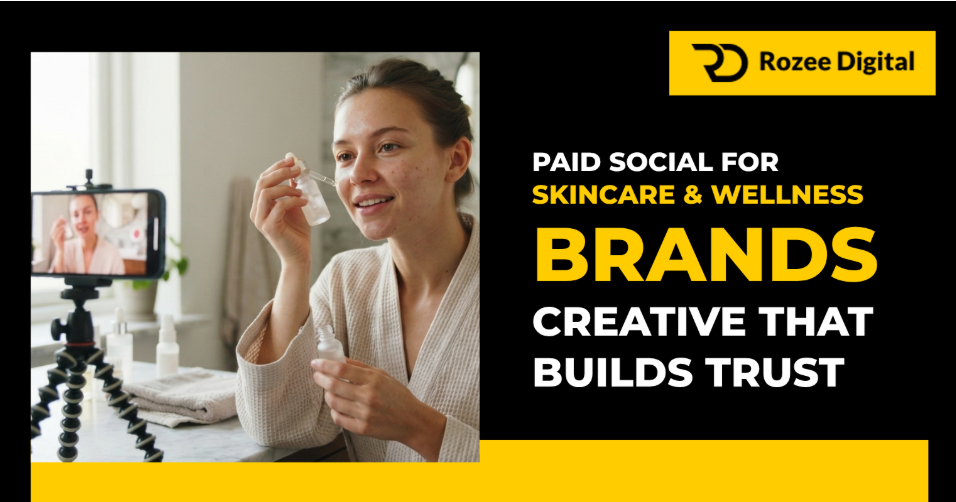
To grow your store, you need a smart channel strategy. You must test raw user clips, server tracking, and net profit rules. Mastering paid social for skincare creates a strong sales system for your store. This guide shows you how to build high-margin campaigns that scale.
Why Cheap Video Clicks Drain Skincare Cash
Basic agency dashboards hurt your store cash flow. Most ad managers hide bad results behind vanity stats that look nice on paper.
| Platform Report Metric | What Agencies Claim | Real Store Cash Reality |
| Gross Video Views | Shows high buyer interest in cheap video clips. | Brings casual scrollers who leave without buying. |
| High Swipe-Up Rate | Shows cheap traffic from broad video placements. | Drives weak traffic that abandons carts fast. |
| Reported Platform ROAS | Claims a 4.0x return on retargeting ads. | Loses money after item costs, tax, and shipping. |
Consider a skincare brand spending £20,000 monthly on paid social ads. Their agency reports a 4.0x ROAS. But the store owner loses £1,500 that same month.
An audit shows seventy percent of ad spend targets people who already know the brand. The agency pays for sales that free traffic would capture anyway.
They waste cash on easy retargeting while new buyer growth stops. Traditional teams ignore product costs, shipping fees, and return rates.
The Profit-First Social Strategy Framework
To scale your store, focus strictly on net margins. Use these four rules to run profitable social campaigns:
- Demand Raw UGC Content: Test simple phone clips rather than studio ads to build user trust fast.
- Isolate Prospecting Budgets: Keep new buyer campaigns separate from retargeting to track real buyer costs.
- Track Net Contribution Margin: Measure success by counting cash left after product costs, shipping, tax, and returns.
- Fix Server Tracking APIs: Send purchase data straight from your server to stop tracking loss from browser blocks.
Partnering with a specialized Email Marketing Agency alongside your paid social team helps your store capture maximum value from cold ad traffic. Isolating new buyer acquisition budgets and driving shoppers into retention flows ensures long-term customer lifetime value.
A 4-Step Social Campaign Execution Pipeline
Building profitable social ads takes a clear step-by-step plan. Follow this pipeline to audit, build, and scale winning campaigns:
Step 1: Test Five Hook Options
Film five different two-second openings for every video concept. Test skin problem hooks, texture zooms, and routine demos to stop scrollers fast.
Step 2: Clean Product Catalog Feeds
Sync your store catalog directly with ad managers. Make sure item titles include skin types, active ingredients, sizes, and live stock updates.
Step 3: Set Up Server Conversion APIs
Connect your store backend directly to ad platform APIs. Send accurate purchase data so smart bidding tools find high-value buyers.
Step 4: Align Video Offers with Landing Pages
Send ad traffic straight to specific product pages with matching offers. Keep bundle prices, lab proof, and buyer reviews visible at the top.
Real Unit Economics of Social Ad Execution
You must know your exact store numbers to scale and spend safely. Consider a skincare brand selling a £50 serum bundle with a £12,000 monthly ad budget.
At a £25 customer acquisition cost, that spend generates 480 sales (£24,000 gross revenue). Subtracting £4,800 item costs, £4,000 tax, £1,920 shipping, and £1,200 returns leaves just £12,080 net profit.
- Testing raw UGC hooks cuts customer acquisition costs from £25 down to £16 per order.
- The same £12,000 ad budget now brings in 750 new customer orders every month.
- Matching landing pages cut product return rates from five percent down to two percent.
These small changes drive £37,500 gross sales revenue from the exact same ad budget. That turns a tiny return into £20,550 net profit.
Working with an experienced Pinterest Ads Agency alongside your social channels cuts overall customer acquisition costs and scales real profit. Partnering with an expert team like Rozee Digital builds long-term bank cash flow across your entire traffic mix.
Fix Data Feeds and Server Tracking to Scale
Basic browser tracking cannot capture full buyer journeys anymore due to modern privacy blocks.
Set up server tracking links to send clean purchase data straight from your server to platform APIs. This feeds accurate numbers to auto-bidding tools so they target buyers who spend money.
Clean tracking connects top video ads directly to your live stock levels. This lets campaigns spend more on high-stock items and pause low-stock items automatically.
Proper tracking keeps acquisition costs steady and low. It stops you from wasting ad spend on bad data.
10 Critical Questions to Ask Before You Sign
Ask these direct questions before hiring any social ad team for your store:
- Who manages my account daily? Check if senior ad experts or junior staff handle your money.
- How do you test video ad hooks? Look for teams that test multiple opening seconds for every video concept.
- How do you split new traffic from retargeting? Make sure cold results sit separate from easy retargeting sales.
- How do you calculate real acquisition cost? Make sure they count product costs, shipping, tax, and returns.
- What is your server-side tracking setup? Check if they connect store servers directly to ad platform APIs.
- How do you handle product catalog feeds? Make sure they fix item titles and sync live stock daily.
- How do you handle low-margin products? Make sure items are grouped by profit margin instead of price.
- What happens when ad performance drops? Ask for their exact process to fix bad weeks.
- Do I own my ad account and video assets? Never hire an agency that blocks access to your account data.
- What does your weekly report show? Make sure reporting tracks net cash instead of useless video view stats.
Take Control of Your Ad Spend Today
Look at your ad accounts right now. If customer acquisition costs are going up while net profit stays flat, your team uses bad setups.
Audit how video hooks, catalog feeds, and landing pages are managed. Stop running broad campaigns without strict negative lists. Stop trusting reports that ignore returns.
Scaling an online store takes complete control over your social strategy. You can fix technical gaps internally or work with a specialized team focused on net margins. Rozee Digital finds and fixes hidden ad leaks for growing brands.
Stop burning cash on bad video campaigns. Get a free audit from Rozee Digital today to find budget leaks in your ad accounts and tracking setups.
About the Author
Tom Rozee founded Rozee Digital in 2016. Over the past decade, his team has managed over $100 million in direct ad spend. This work helped generate more than $500 million in client revenue for online stores.
Rozee Digital operates on a direct, hands-on business model. Tom caps total client partnerships at 20 brands globally so senior strategists manage every single account. The team rejects vanity agency reports, long lock-in contracts, and bloated account management teams. Instead, they focus on bottom-line profit margins, server-side tech setups, and true customer lifetime value using their proven Customer Generation System.
GET YOUR FREE PROFIT DIAGNOSIS →
Frequently Asked Questions
Q1: Why is skincare paid social effective for DTC brands?
Using skincare paid social lets wellness brands build customer trust using raw video clips and clear product demos. It drives lower buyer acquisition costs than traditional commercial video ads.
Q2: Why do simple phone clips beat polished studio ads?
Simple phone clips look like native posts from real people rather than pushy commercial ads. Scrollers stop to watch real application videos, texture zooms, and honest reviews instead of skipping studio clips.
Q3: How does server tracking improve social ad bidding?
Server tracking routes purchase data straight from your store server to ad platform APIs. This bypasses browser tracking blocks, giving automated bidding tools clean conversion data to target active buyers.
Q4: How do product return rates impact skincare ad returns?
Product returns eat into your net profit margin on every shipped order. Media managers must calculate target bids using net sales values after returns to ensure campaigns stay genuinely profitable.
Q5: What metric best measures skincare ad campaign success?
Judge ad campaign success on Net Contribution Margin after product costs, tax, shipping, returns, and ad spend. This calculation reveals true bank cash instead of misleading platform ROAS figures.